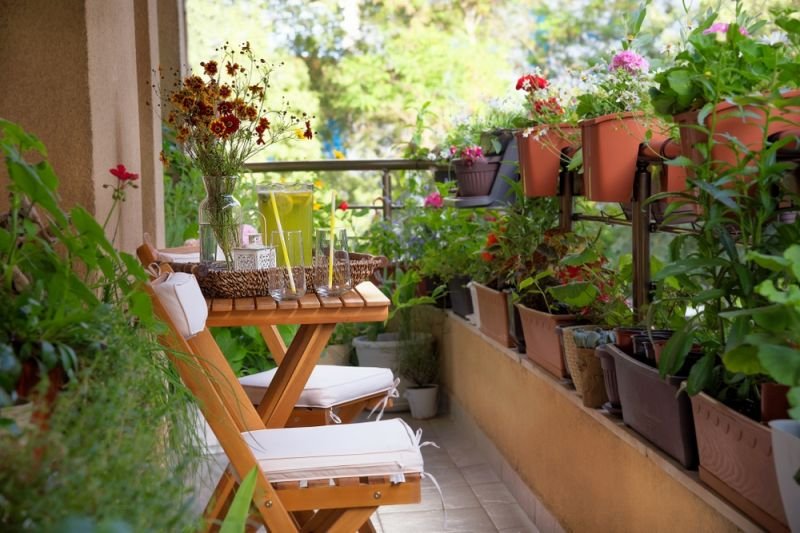
The short answer is yes, but only if your local “Last Frost Date” has passed and night time temperatures are consistently staying above 50°F (10°C). We’ve all been there. The first sunny day of Spring hits, you open your balcony door, and you immediately want to bring all your indoor plants outside to soak up the sun. I get it. A few years ago, I got too excited and put my favorite Monstera out in early April. A surprise overnight frost hit, and waking up to those droopy, black leaves the next morning broke my heart.
Before you move your plant babies to the balcony, here is the exact system you need to follow to keep them safe.
1. Understanding the “Last Frost Date” (Your Golden Rule)
Before moving a single pot, you need to know your local zone. The Last Frost Date (the historical average date when your specific area experiences its final freezing temperatures of the season) is your absolute baseline.
If you live in the US, check your USDA Hardiness Zone (a geographic map that tells you exactly how cold your region gets). In places like New York (Zone 7), this might be mid-April. In colder European cities or the Midwest, you might be waiting until May. Do a quick search for your city’s last frost date—don’t guess!
2. The 50°F (10°C) Nighttime Rule
Spring weather is incredibly tricky. It might feel like a beautiful, warm 70°F (21°C) afternoon on your balcony, but it’s the night that kills.
The Rule: Do not leave tropical houseplants or tender summer veggies outside overnight until the temperature stays reliably above 50°F (10°C). Anything lower will cause thermal shock (a sudden drop in temperature that severely damages plant cells and stunts growth).
3. The “Hardening Off” Process (Don’t Skip This!)
Even if it’s warm enough outside, your indoor plants are used to a pampered, climate-controlled apartment life. You can’t just toss them out into harsh wind and direct UV rays. You need to practice Hardening Off (the step-by-step process of gradually introducing a plant to outdoor conditions).
Here is a simple balcony schedule:
- Days 1-3: Place your plants in a fully shaded area on your balcony for just 2 to 3 hours in the afternoon. Bring them back inside.
- Days 4-6: Move them to partial morning sun. Leave them out for 4 to 5 hours.
- Days 7-10: Gradually increase sun exposure based on the plant’s needs and leave them out all day. If nights are above 50°F, they can finally start sleeping outside!
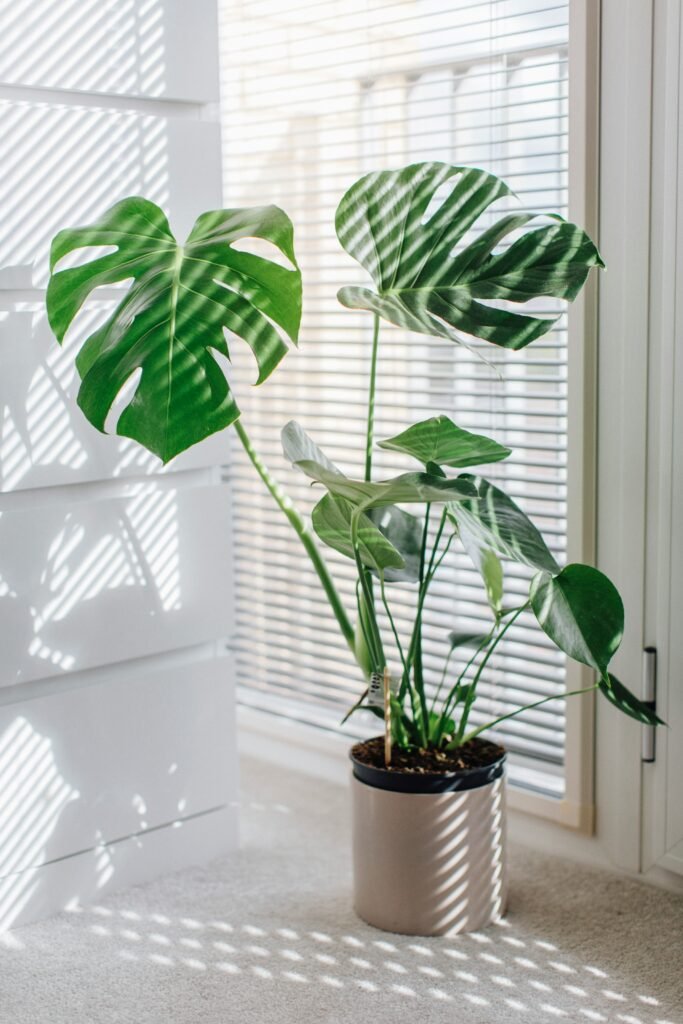
4. Which Plants Can Go First? (Balcony Edition)
- The Early Risers (Cold-Tolerant): Herbs like Mint, Rosemary, and Thyme can handle a slight chill. If you’re growing Spring greens on your balcony like Lettuce or Spinach, they actually prefer this cooler weather!
- The Drama Queens (Cold-Sensitive): Tropical houseplants (Monstera, Pothos, Fiddle Leaf Figs) and heat-loving veggies (Tomatoes, Basil, Peppers) must stay inside your apartment until the weather is consistently warm.
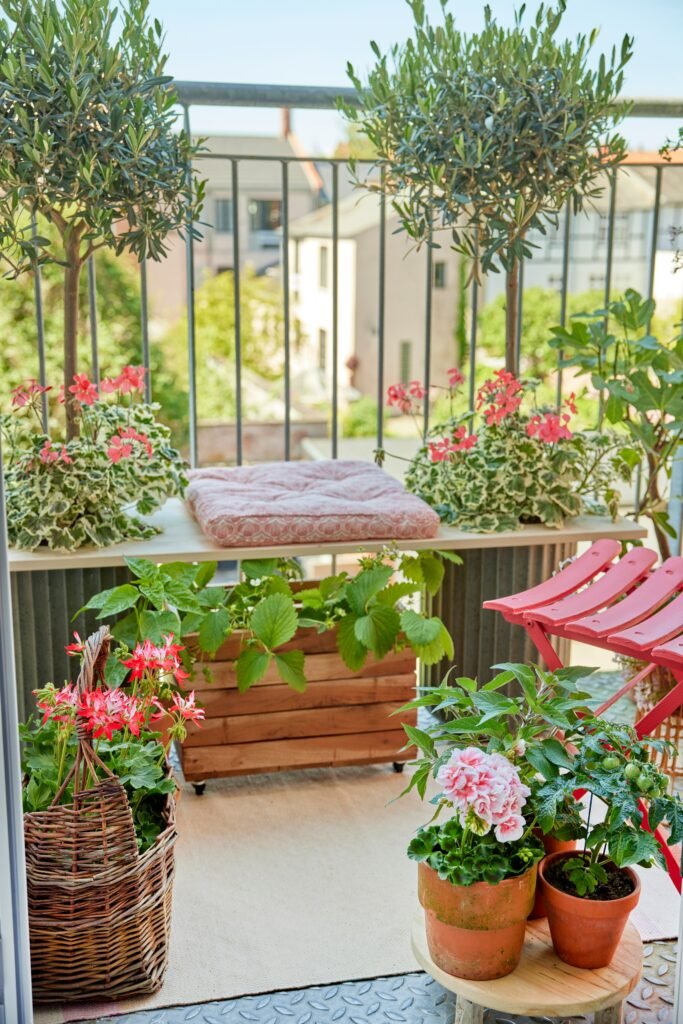
Always remember that patience is key when dealing with nature. Rushing the process will only stress your beautiful greenery. Keep a close eye on your local weather forecast apps during these critical transition weeks. By following these simple steps, your leafy companions will not only survive but truly thrive, rewarding you with lush, vibrant new growth throughout the entire summer season!
Ready for the Spring Transition?
Moving your plants outside is the best part of Spring gardening, but patience is your biggest asset right now. Don’t let one warm afternoon trick you into making a fatal mistake!
Let me know in the comments below: What city or gardening zone are you in, and which plant are you most excited to move to your balcony this year?